
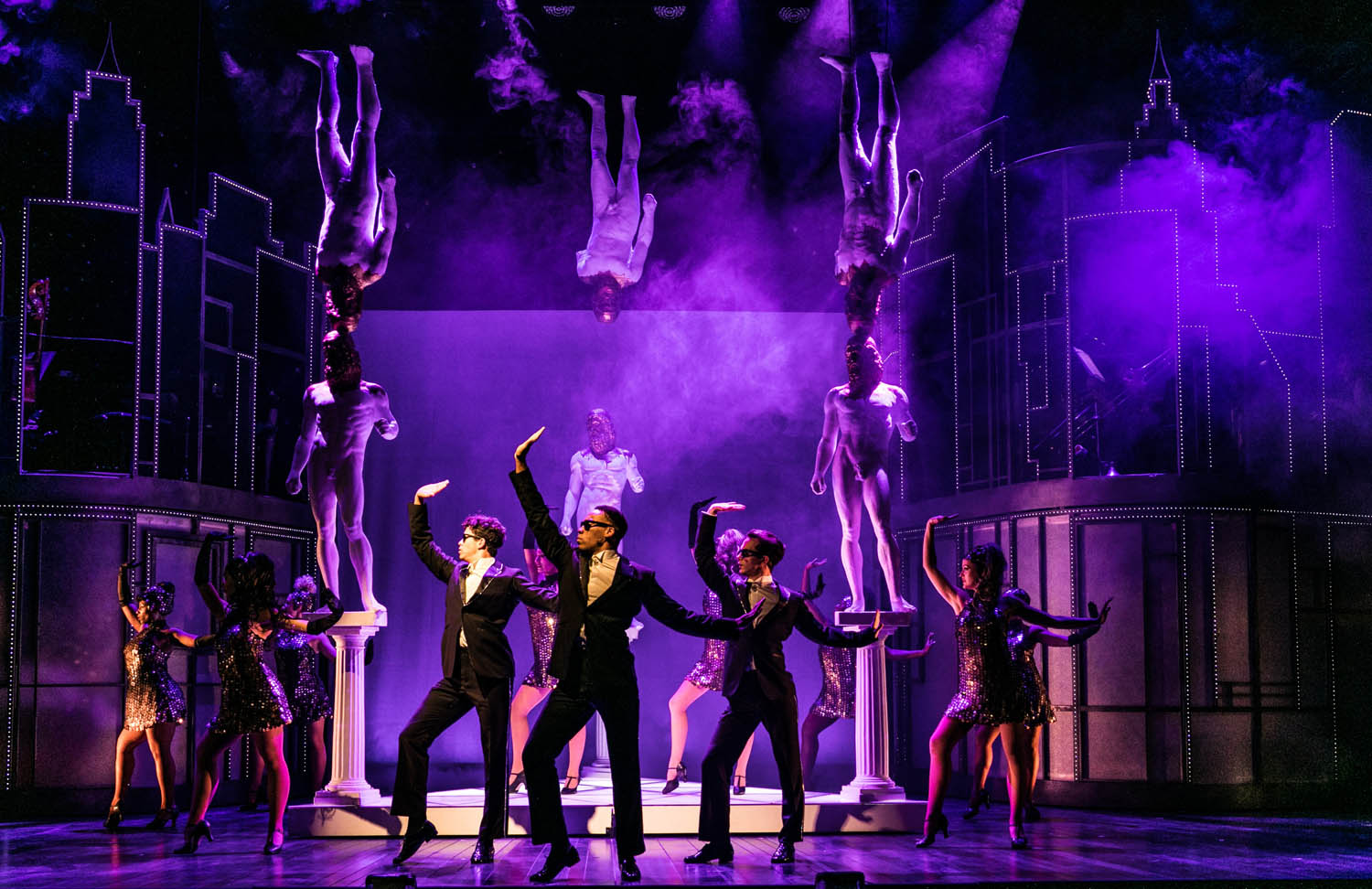
Sweet Charity | Nottingham Playhouse, 2018
Cy Coleman, Dorothy Fields, and Neil Simon’s electrifying musical comedy returned to Nottingham Playhouse for the theatre’s first musical production in more than a decade, running from August 25 to September 16, 2018. Directed by Bill Buckhurst with choreography by Alistair David, the production starred Olivier Award-winning Rebecca Trehearn as Charity Hope Valentine, the eternally optimistic taxi dancer whose romantic misadventures and unstoppable spirit drive this bittersweet story of resilience, self-worth, and the search for genuine love.
Based on Federico Fellini’s film Nights of Cabiria, the musical follows Charity through a series of romantic disasters—from being robbed by her boyfriend in Central Park to getting trapped in a closet during a movie star’s romantic crisis to falling for the neurotic Oscar who ultimately can’t accept her past. Despite repeated heartbreaks, Charity maintains her hope that “there’s gotta be something better than this,” embodying the musical’s blend of comedic energy and emotional depth.
The production featured co-stars Marc Elliott as Oscar and Jeremy Secomb as the Italian film star Vittorio Vidal, alongside Amy Ellen Richardson and Carly Mercedes Dyer. Critical response was exceptional, with reviews calling it “magnificent, with a lead performance to match” and “the apotheosis of the musical.”
Set and Costume Design Vision
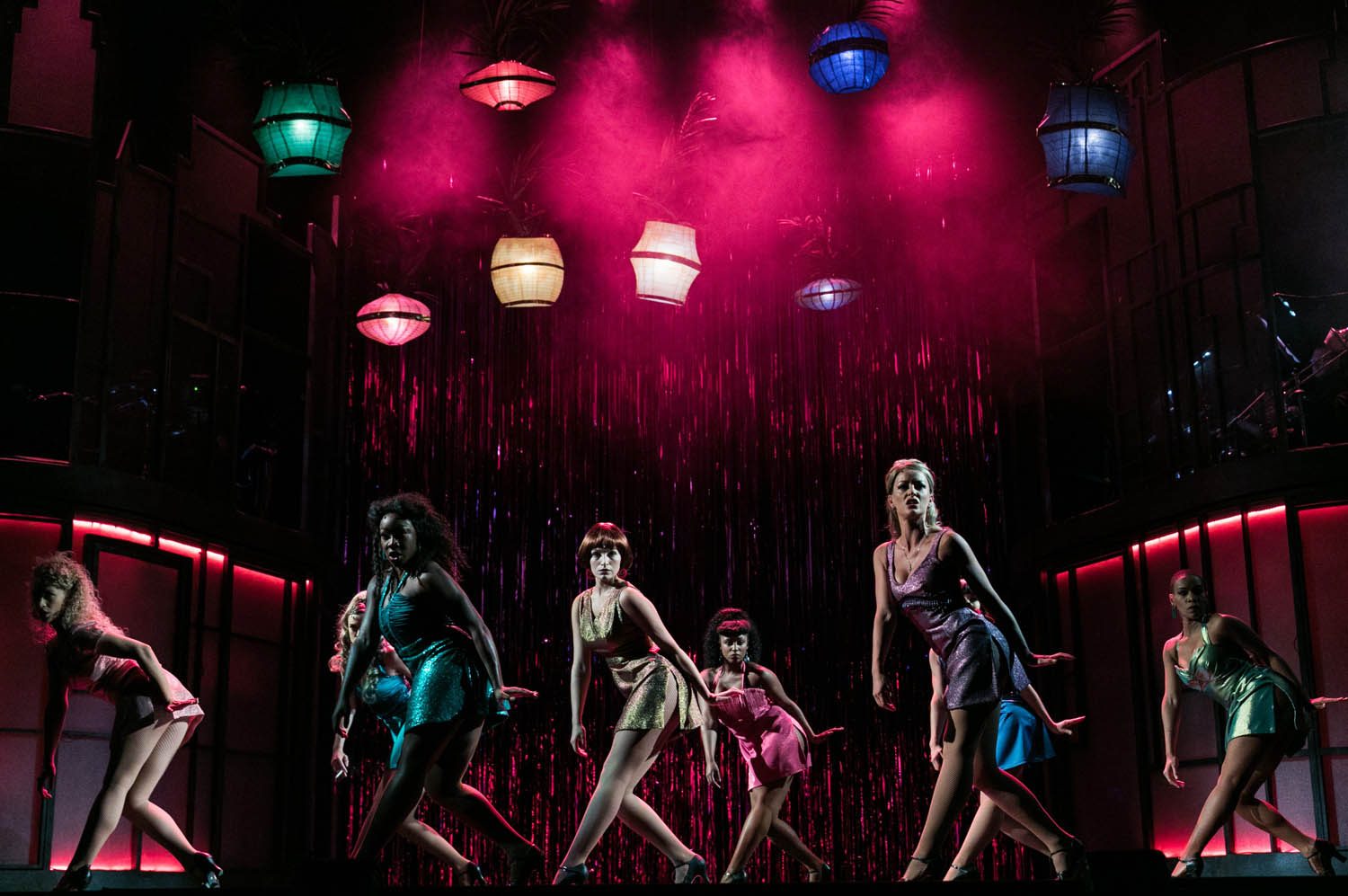
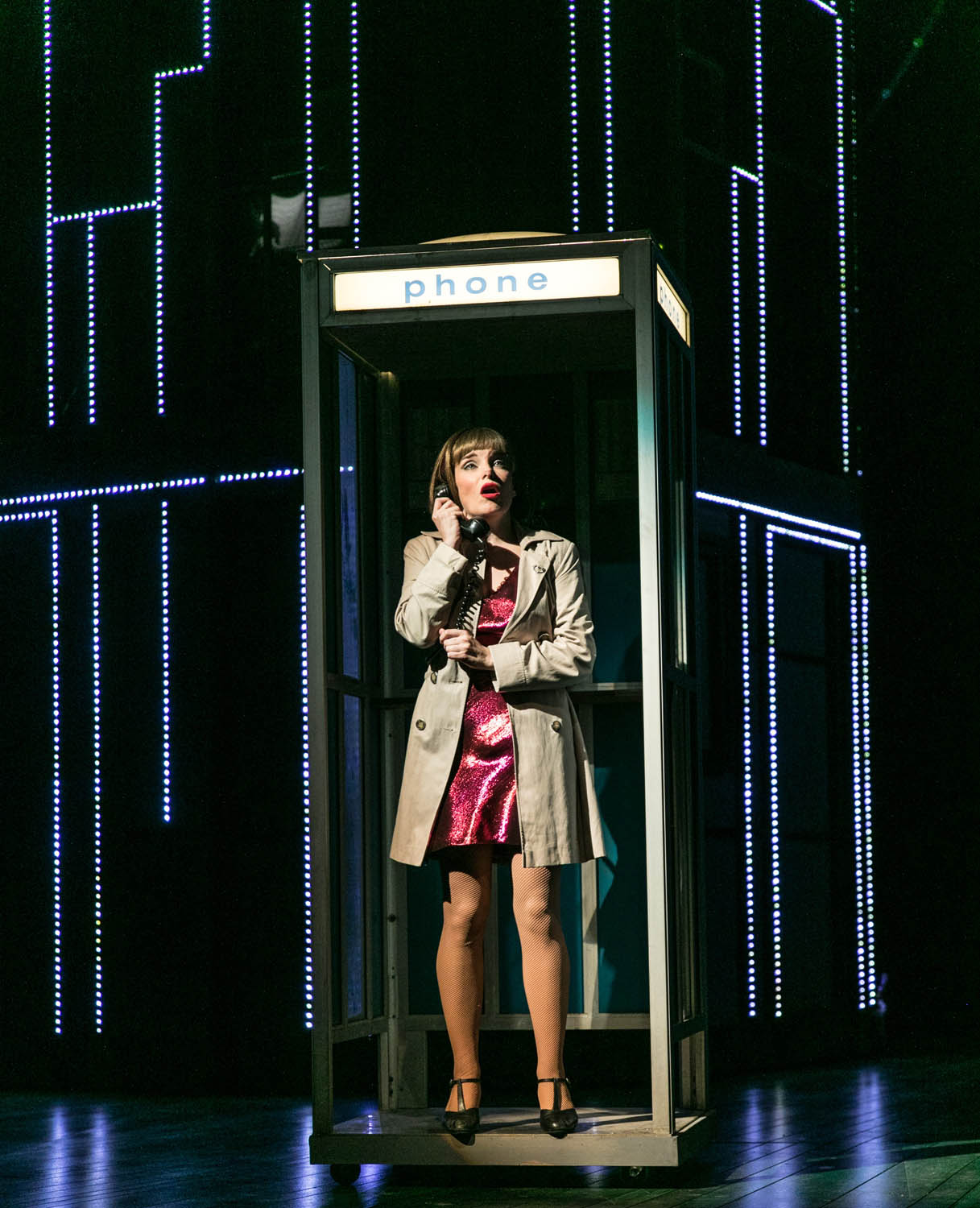
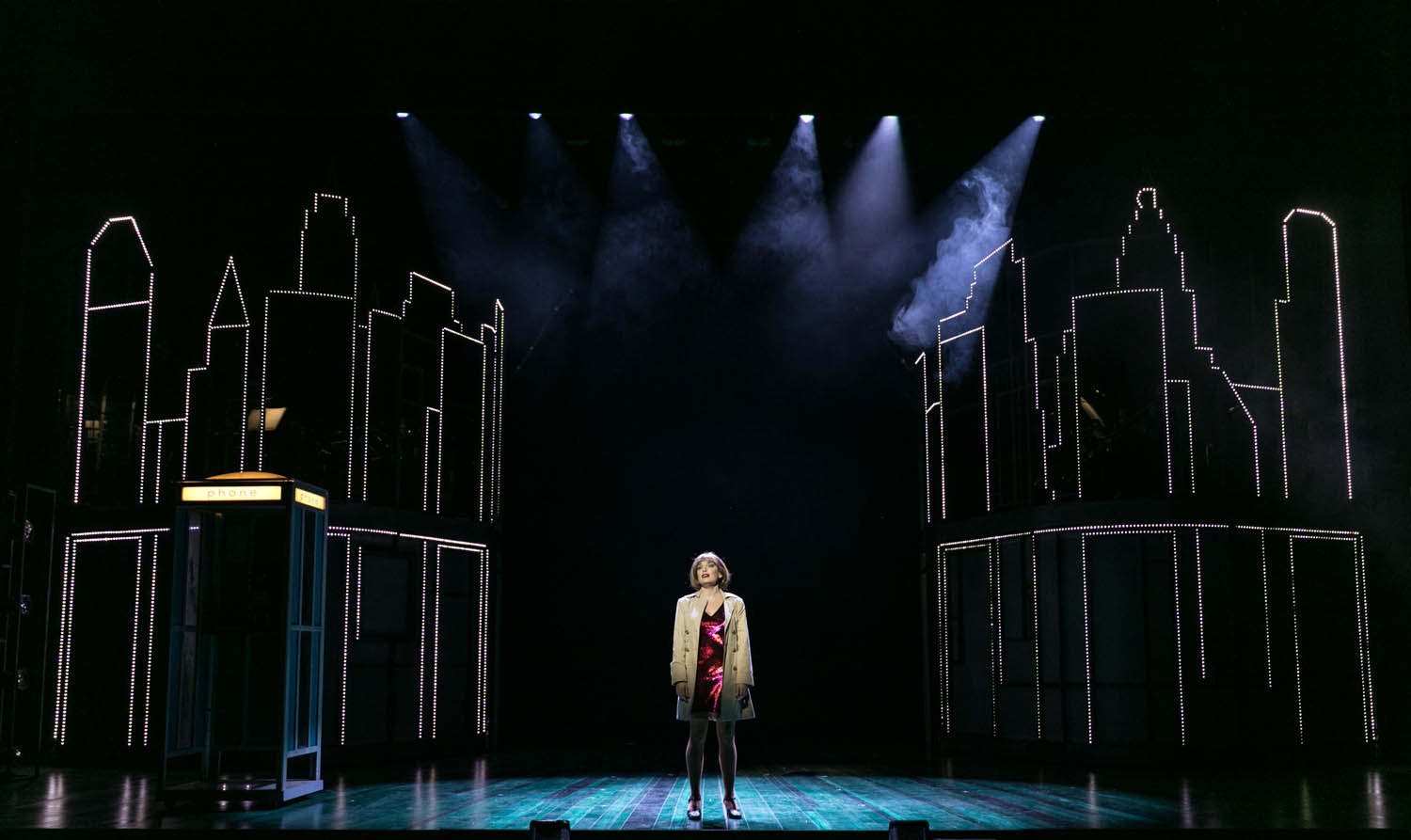
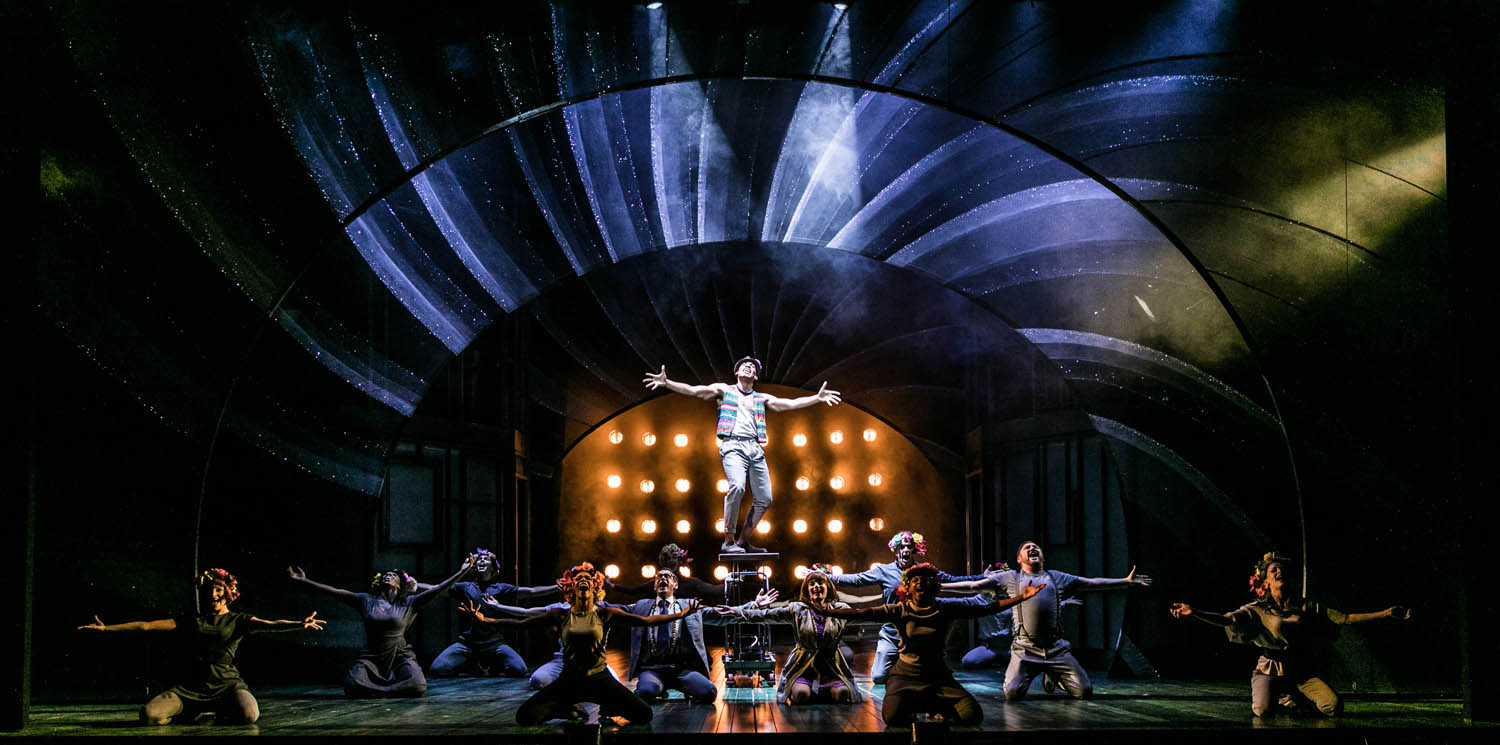
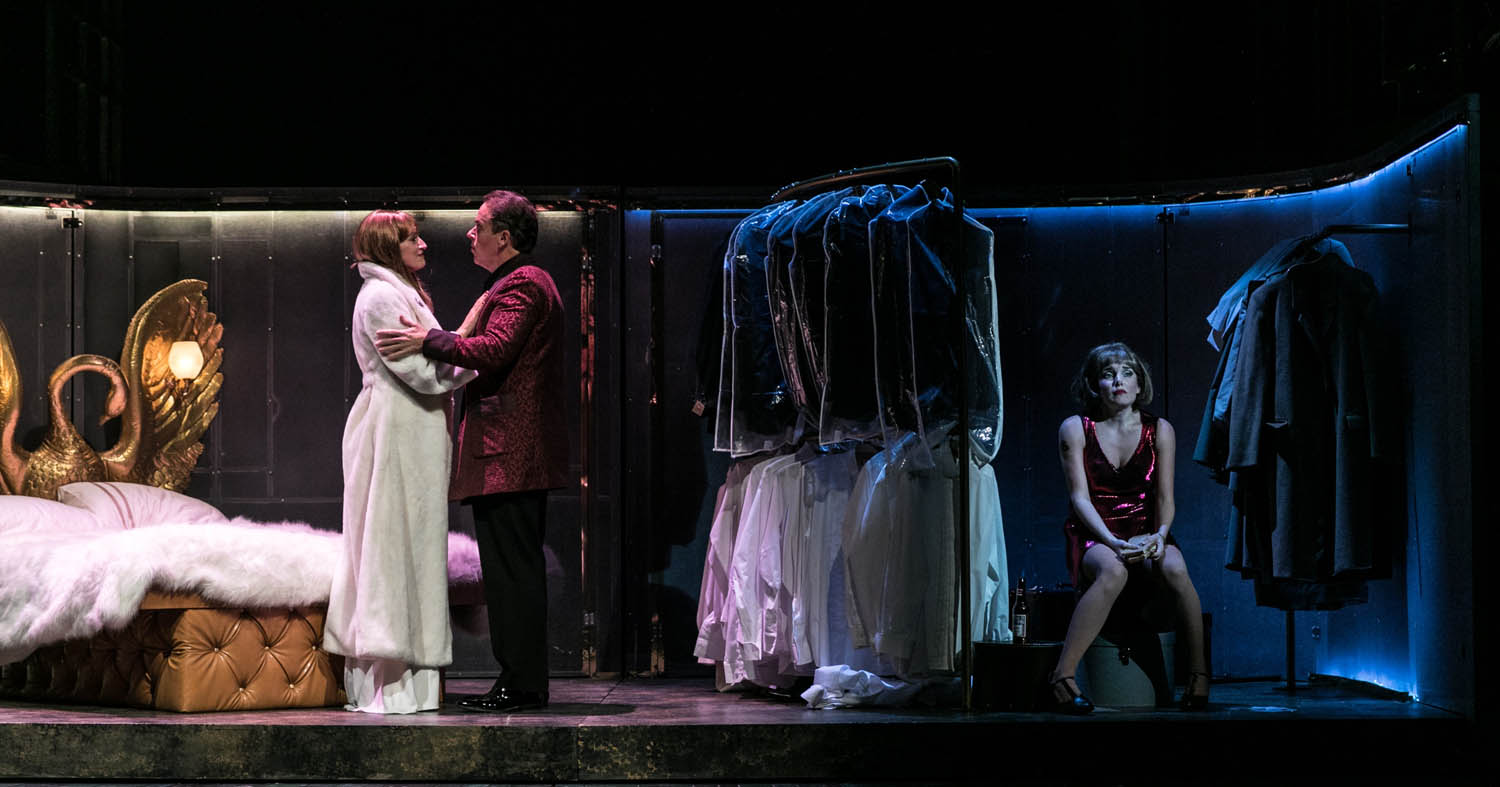
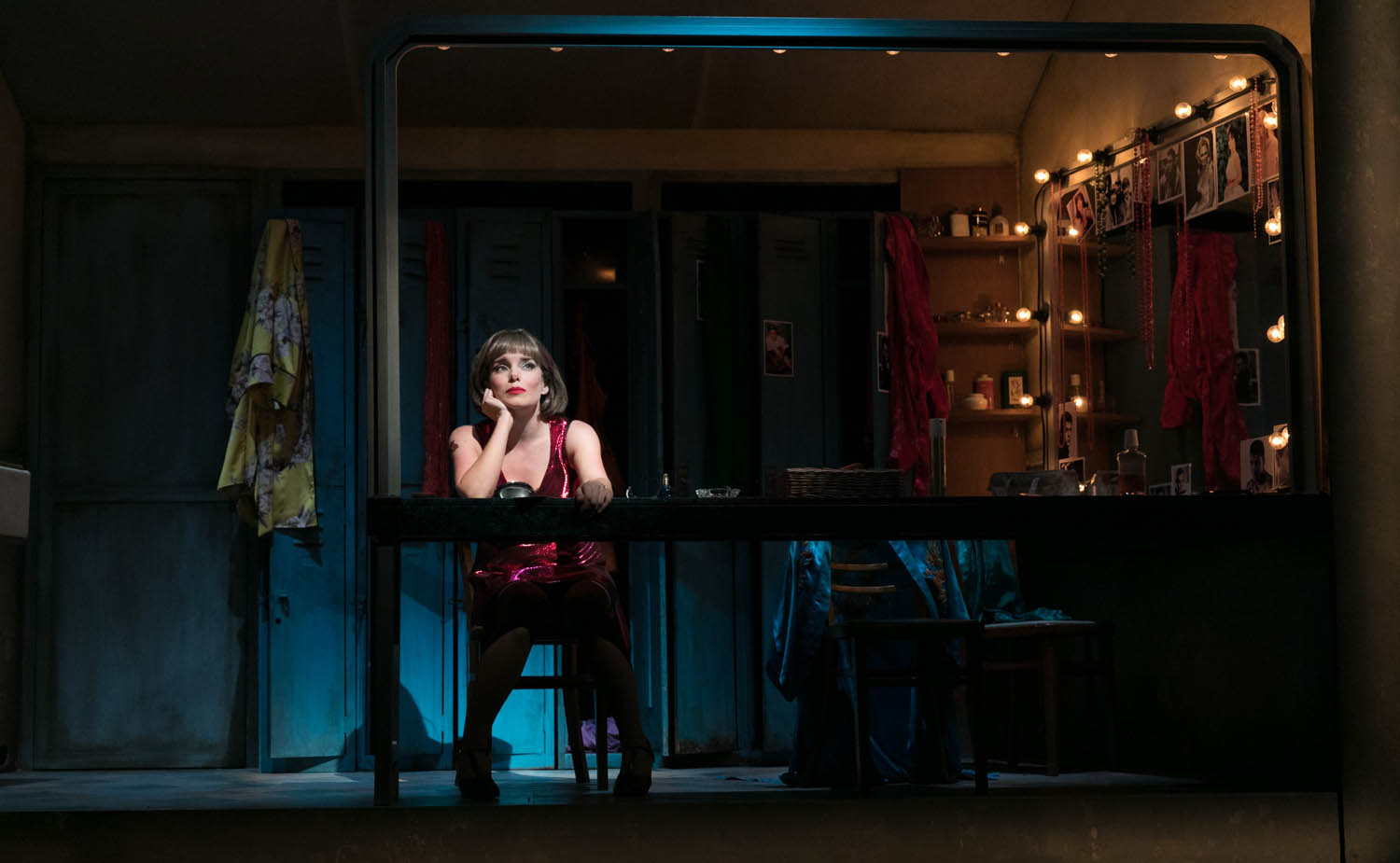
takis’ design creates the vibrant, gritty world of 1960s New York City, moving between the taxi dance hall where Charity works, the glamorous penthouse of movie star Vittorio Vidal, the Fandango Ballroom, the Pompeii Club, and the streets and parks of Manhattan. Each location must support the show’s distinctive choreography—from the iconic “Big Spender” number to the hippie celebration of “The Rhythm of Life” to Charity’s joyful “If My Friends Could See Me Now.”
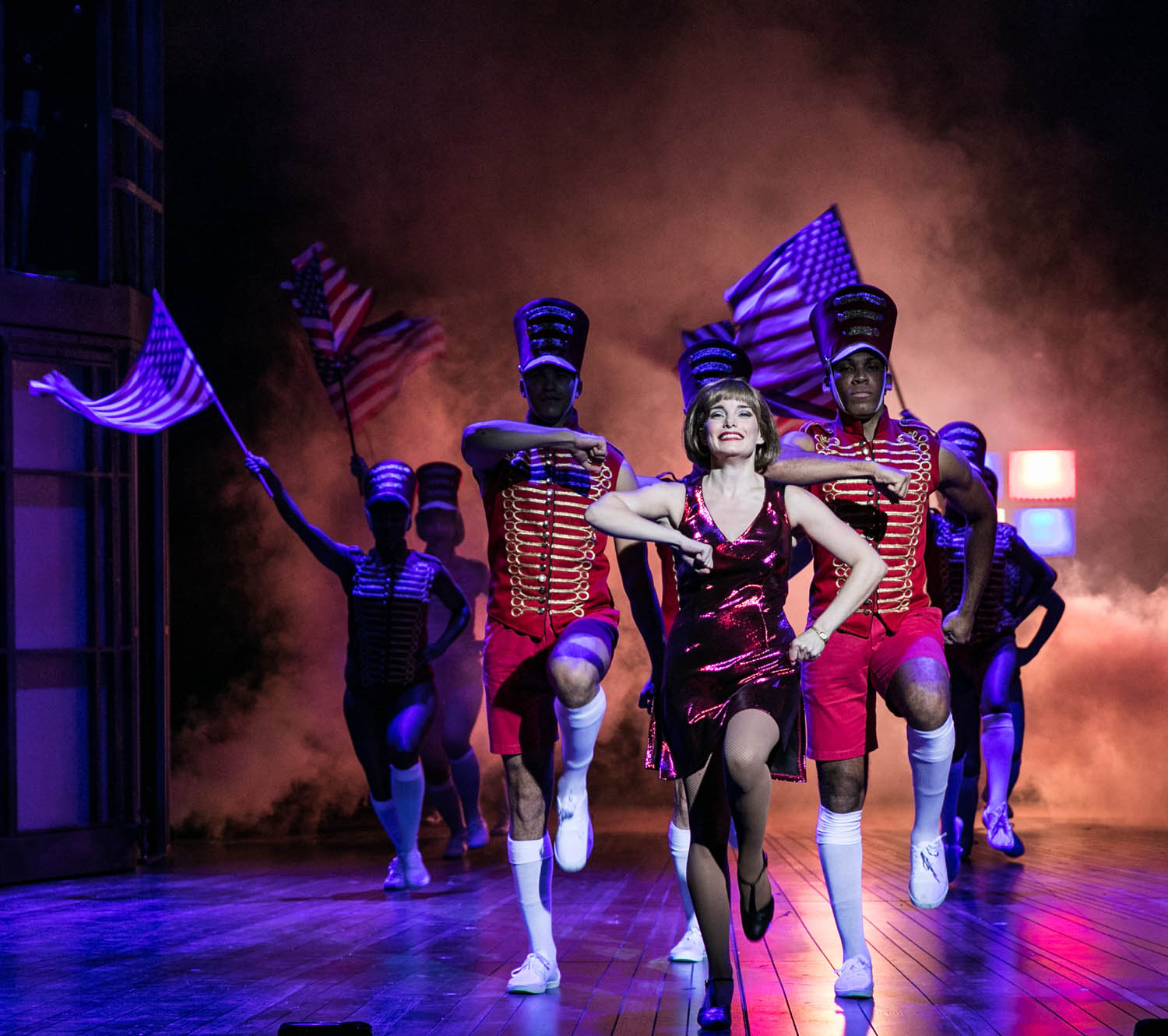
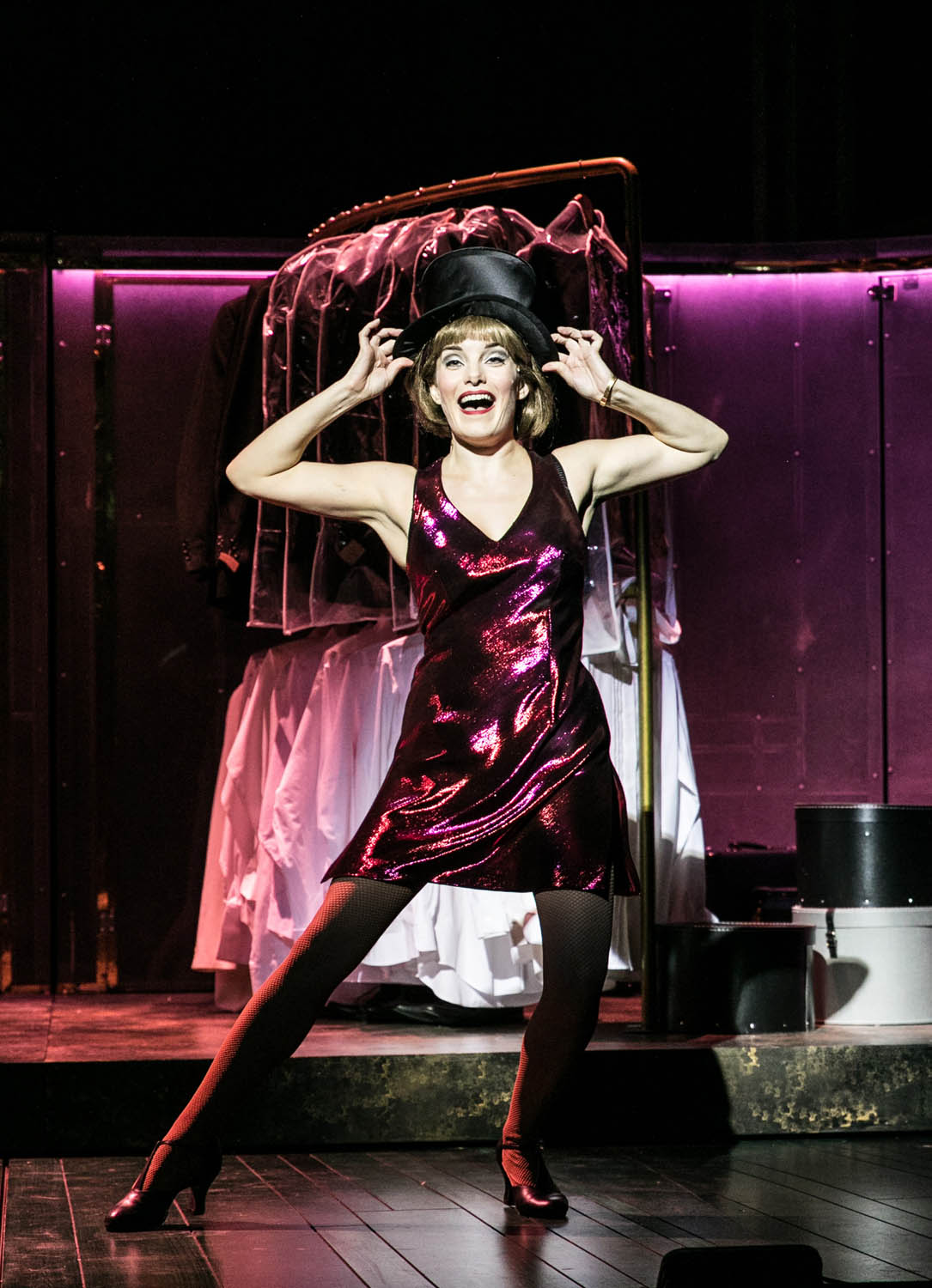
The dance hall design captures both the tawdry reality of taxi dancing and the theatrical glamour that Bob Fosse’s original choreography brought to these spaces. Charity and her fellow dancers wear the sequined, form-fitting costumes that became synonymous with Fosse’s aesthetic—particularly the famous magenta dress that Charity sports during high-energy dance sequences. The costuming must support extensive, athletic choreography while maintaining period authenticity and the show’s specific visual signature.
The design approach balances the musical’s contrasting tones: comedic set pieces like the stuck-elevator sequence require intimate staging, while ensemble numbers like “Big Spender” demand theatrical spectacle. The production’s visual vocabulary captures 1960s New York—from the sophisticated mid-century modern aesthetics of wealthy spaces to the working-class environments where Charity and her friends navigate their daily lives.
Charity’s costume evolution tracks her emotional journey, from practical dance hall attire to the elegant dress she wears during her romance with Oscar, while never losing the bright colors and bold patterns that reflect her irrepressible personality. The overall design creates a world where theatrical heightening serves emotional truth, supporting both the show’s comedy and its underlying melancholy about dreams deferred and resilience tested.
Creative Team
- Set and Costume Designer: takis
- Director: Bill Buckhurst
- Choreographer: Alistair David
- Music: Cy Coleman
- Lyrics: Dorothy Fields
- Book: Neil Simon
- Based on the screenplay: Nights of Cabiria by Federico Fellini
Production Context
Sweet Charity opened on Broadway in 1966, establishing Bob Fosse as a major choreographer-director and introducing songs that have become standards including “Big Spender,” “If My Friends Could See Me Now,” and “There’s Gotta Be Something Better Than This.” Fosse’s distinctive choreographic style—characterized by turned-in knees, sideways shuffling, rolled shoulders, and jazz hands—became inseparable from the show’s identity.
The musical represents a pivotal moment in American musical theatre, combining the sophistication of mid-century musicals with a more contemporary, cynical sensibility. Charity’s story—she doesn’t get her happy ending with Oscar, though she maintains her hope—marked a shift toward more complex emotional territory in mainstream musical theatre.
Nottingham Playhouse’s decision to mount Sweet Charity as their first musical in over a decade demonstrated the theatre’s commitment to ambitious programming and faith in regional audiences’ appetite for challenging musical theatre. The production’s success—with Rebecca Trehearn’s performance earning particular acclaim—showed how classic musicals can be revitalized through fresh direction, dynamic choreography, and design that honors the original’s spirit while bringing contemporary theatrical sensibility.
The show’s themes of economic precarity, women’s limited options, and the resilience required to maintain hope in difficult circumstances resonate with contemporary audiences, making Charity’s 1960s story feel surprisingly relevant to 21st-century concerns about work, relationships, and the gap between dreams and reality.